On behalf of the University of Washington, the Board of Health Sciences Deans, and the Magnuson Scholar Program, we are pleased to announce the 2026–2027 Magnuson Scholars. Please join us in recognizing the Magnuson Scholars’ exceptional achievements while also celebrating Warren G. Magnuson’s extraordinary public service career.
2026-27 Magnuson Scholars
| Scholar | School |
|---|---|
| Azeez Fashina | School of Dentistry |
| Annika Syvrud | School of Medicine |
| Nayoon Gim | School of Medicine |
| Suah Park | School of Nursing |
| Ryan Nguyen | School of Pharmacy |
| Yuwei Wang | School of Public Health |
| Joanna La Torre | School of Social Work |
Scholar Profiles
Azeez Fashina – School of Dentistry
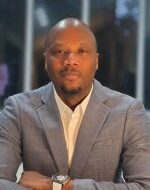
Azeez Fashina is an oral and maxillofacial surgeon. Having spent years in operating rooms and clinics, caring for patients with craniofacial anomalies, he often serves as the first clinician to counsel families after a devastating diagnosis, guiding them through multiple reconstructive procedures. These experiences exposed Azeez to the profound physical, psychological, and social burdens that craniofacial anomalies impose, shaping his commitment to a career that integrates compassionate clinical care with rigorous scientific investigation aimed at improving patient outcomes.
His career objective is to become an independent surgeon–scientist at the forefront of craniofacial genetics and anomaly research, leading a program that improves the lives of children and adults affected by conditions such as cleft lip and palate. Azeez’s path from clinical practice in Nigeria to doctoral training at the University of Washington reflects a deliberate effort to bridge the gap between the realities faced by patients, particularly in resource-limited settings and scientific discovery.
“Early in my career,” explains Azeez, “I became fascinated by the genetic basis of orofacial clefts and the tremendous potential for discovery in this field. A Fogarty/NIH seed grant exploring genetic links between cancers and orofacial clefting, strengthened my foundation in translational genetics and confirmed my commitment to a research-intensive career.”
Professor Robert A. Cornell explains, “Azeez quickly acquired skills in embryology, biochemistry, and molecular biology. He applied this training to investigate the molecular mechanisms underlying craniofacial development.” Dr. Cornell adds, “as a testament to his talent in the lab and for explaining scientific results, Azeez has won two prizes for his research presentations. At the annual School of Dentistry research days in 2024 and 2026, he won awards for his posters on two distinct projects that he is pursuing in the lab.”
Azeez’s long-term goal is to lead an independent translational research program at an R1 institution in the United States. He plans to integrate surgery, genetics, and developmental biology to uncover the molecular basis of orofacial clefts. He will translate these discoveries into improved risk prediction, counseling, and ultimately prenatal or early therapeutic interventions for patients genetically predisposed to these conditions.
Nayoon Gim – School of Medicine
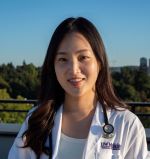
Nayoon Gim is an MD/PhD student in a Medical Scientist Training Program, currently in her third year of medical school. She recently completed her PhD in Bioengineering with a Data Science option. Her long-term goal is to build a career at the intersection of medicine and data-driven innovation, with a focus on developing computational approaches that make clinical research and patient care more scalable and efficient, particularly in diabetes and its ophthalmic complications. She explains, “diabetes is a complex, multisystem condition with significant morbidity, particularly among older adults. It exposes both biological challenges and systemic inefficiencies in care and research.”
Professors Aaron Y. Lee and Yue Wu from the Computational Ophthalmology Lab highlight how Nayoon played an important role in the AI-READI (Artificial Intelligence Ready and Exploratory Atlas for Diabetes Insights) project, a four-year effort to create a large-scale multimodal dataset of individuals with type 2 diabetes.” Nayoon led the development and standardization of a large retinal imaging dataset designed to study the effects of diabetes on ocular health.” This work resulted in the public release of more than 180,000 de-identified retinal scans across multiple imaging modalities, manufacturers, and devices. The dataset has already become a valuable research resource, with more than 900 groups worldwide downloading the standardized data to study type 2 diabetes, retinal biomarkers, and ophthalmic complications.
Recognizing that high-quality datasets alone do not resolve inefficiencies in clinical research, she developed a privacy-preserving, LLM-assisted framework that translates natural language research questions into executable database queries and statistical analyses without exposing patient-level data. Using this framework, Nayoon evaluated more than 100 hypotheses related to diabetes complications such as retinopathy, kidney disease, and mortality. By enabling scalable, data-driven validation across datasets, this approach reproduced major findings from established studies while accelerating the pace of analysis.
Nayoon’s broader commitment is to improve the study and care of chronic disease, particularly among older adults. This motivation is rooted in personal experience, as she has witnessed firsthand how illnesses such as diabetes and vision impairment affect independence and quality of life. She aims to build a career that combines patient care, interdisciplinary research, and leadership to improve how clinical data are translated into evidence and to help shape healthcare systems that better serve individuals with chronic illness, particularly those at risk for diabetes and related ophthalmic complications.
Annika Syvrud – School of Medicine
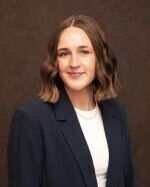
Annika Syvrud’s commitment to health equity and pediatric care was shaped early in her training. Her participation in the Targeted Rural and Underserved Track (TRUST), through immersive experiences on the Wind River Reservation, helped Annika develop a deep understanding of the healthcare challenges faced by rural and underserved populations. These experiences inspired her to pursue a career in pediatrics, with a focused interest in chronic health conditions affecting children in marginalized communities.
During her time on the reservation, Annika witnessed firsthand the profound impact of historical trauma and structural inequities on patient health. She cared for children and families facing food insecurity, limited access to clean water, unstable housing, and significant barriers to transportation and specialty care. The disproportionately high prevalence of both Type I and Type II diabetes among pediatric patients, many of whom presented with severe complications such as diabetic ketoacidosis and early-onset organ damage was surprising. These encounters deepened Annika’s understanding of the social determinants of health and reinforced her sense of responsibility to provide compassionate, context-aware care.
Annika assumed a leadership role in a pediatric Diabetes Care Team project on the Wind River Reservation. In this capacity, she contributed to the development of culturally responsive care models that emphasize early diagnosis, patient education, and consistent follow-up. The initiative connects children and families with interdisciplinary, locally accessible care, reducing the need for burdensome travel while improving continuity and outcomes.
Dr. Todd A. Guth highlights, “Annika is in a clear career pathway toward pediatric endocrinology, who is already engaged in diabetes-focused projects with direct relevance to prevention, management, and health equity. Her combination of academic excellence, research skills, and authentic partnership with Native and rural communities positions her to make meaningful, long-term contributions to diabetes research and care.”
Annika’s research and quality improvement efforts explore how structured interventions can improve diabetes outcomes such as A1c levels, hospitalization rates, and patient education. Her plans include pursuing residency training in pediatrics followed by a fellowship in pediatric endocrinology, with the goal of advancing research and care for children with diabetes.
Suah Park – School of Nursing
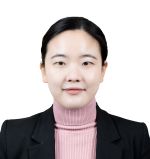
Suah Park is a family nurse practitioner and emerging nurse scientist. Her career goal is to advance diabetes prevention and management in immigrant communities through culturally grounded research on sleep health. Her work focuses on Korean immigrants with type 2 diabetes, a population that experiences a high burden of sleep disturbance alongside linguistic, cultural, and structural barriers to health care.
Associate Professor Eeeseung Byun states that Suah is, “one of the most enthusiastic, productive, determined, and motivated students I have interacted with throughout my academic career. Her ability to formulate arguments both verbally and in writing reflects her outstanding intellectual capacity. She has a strong clinical foundation in the care of Korean immigrants with type 2 diabetes.”
Her clinical practice, at a primary care clinic in Tacoma, allows Suah to observe how many of her patients struggle not only with glycemic control but also fatigue, emotional distress, and disrupted sleep. All of these symptoms often compound the challenges of managing diabetes. To address these challenges, Suah is developing a research program that positions sleep as a culturally relevant and modifiable pathway for improving diabetes outcomes.
Her study examines how socio-contextual factors such as health literacy and acculturation, along with physical and psychological symptoms—including pain, fatigue, stress, depression, anxiety, and loneliness—relate to sleep disturbance. Her exploratory aim will examine the relationship between sleep disturbance and glycemic regulation, measured by hemoglobin A1c.
Suah has co-authored a peer-reviewed manuscript, presented four abstracts as both first and co-author at scientific conferences, and has additional manuscripts currently under review. Long term, she aims to lead interdisciplinary research teams and conduct clinical trials of culturally tailored sleep interventions for Korean immigrants with type 2 diabetes. As an independent nurse scientist, she seeks to build a sustained program of research that informs clinical practice, improves chronic disease management, and reduces health disparities in immigrant and minority populations.
Ryan Nguyen – School of Pharmacy
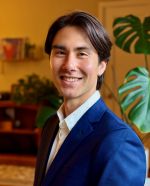
A doctoral candidate in Medicinal Chemistry, Ryan Nguyen’s research focuses on identifying environmental determinants of chronic disease through advanced analytical technologies. His work centers on characterizing the human exposome—the full range of environmental chemicals individuals encounter throughout life—and understanding how these exposures influence disease risk. Because an estimated 70–90% of human diseases are linked to environmental factors, including diabetes, cardiovascular disease, neurodegenerative disorders, and cancer, Ryan’s research aims to develop scalable analytical tools that enable the systematic discovery of environmental exposures associated with chronic illness.
Ryan developed targeted mass spectrometry methods to support dosing strategies for anticancer therapeutics in clinical trials. Using analytical and synthetic organic chemistry techniques, he helped design bare-metal stents capable of delivering cardioprotective molecules directly to damaged vascular tissue. This work contributed to a peer-reviewed publication demonstrating the therapeutic potential of drug-delivering stents.
Under the mentorship of Dr. Libin Xu, Ryan is focused on developing high-throughput mass spectrometry approaches. His work characterizes the metabolic pathways of widely used disinfectants known as quaternary ammonium compounds, demonstrating their presence in human fecal samples. He is now developing a large-scale reference database of metabolites from thousands of environmental chemicals prioritized by the U.S. Environmental Protection Agency’s ToxCast program.
Ryan has contributed to multiple peer-reviewed publications, including first-author work in bioanalytical chemistry and drug development. These experiences strengthened Ryan’s interest in xenobiotic metabolism and motivated his graduate training focused on uncovering environmental chemical exposures that contribute to chronic diseases.
Dr Xu explains, “Ryan has developed new open-source publicly available Python packages for high-throughput data processing and compound identification. While this is an ambitious project, Ryan has accomplished the majority of it to date. Based on this work, he has two additional first-author papers currently under review and one more under preparation. I expect his thesis project will open the door for large-scale studies of the impact of the human exposome on various human chronic diseases.”
Yuwei Wang – School of Public Health
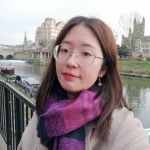
Yuwei Wang is a doctoral student in Global Health Metrics and Implementation Science. Her career goal is to conduct equity-focused, policy-relevant research that informs international health organizations such as the World Health Organization (WHO) and the World Bank. Her work focuses on generating actionable evidence to guide how health systems in low- and middle-income countries design, implement, and scale integrated services for mental health conditions.
Her interest in health systems research and implementation science developed during a social work practicum at a community mental health center in Shanghai. There, Yuwei observed that, although effective treatments for severe mental illness existed, due to fragmented referral systems, workforce shortages, and policies misaligned with community realities, these treatments rarely reached the patients who are most in need.
As a doctoral student, Yuwei has made significant contributions to research integrating mental health services into primary health care platforms. Working with Dr. Keshet Ronen on a cluster randomized controlled trial in Kenya, Yuwei helped develop and evaluate strategies to embed perinatal mental health screening and treatment into maternal and child health clinics. Dr. Ronen explains, “The study is operationally and analytically complex. Yuwei has been an incredible asset to the team. She led development of quantitative and qualitative data collection instruments, prepared analytical code for quantitative data management, conducted both qualitative and quantitative data analysis, taken leadership of our study’s implementation science working groups, and prepared multiple abstracts and posters for presentation at international conferences.”
Beyond her primary research, Yuwei actively contributes to global mental health initiatives and collaborative projects across multiple countries. As a technical research advisor for the Taskeen Health Initiative in Pakistan, Yuwei supports data analysis and program evaluation for community-based telephonic mental health services. Yuwei also contributes to the WHO Special Initiative for Mental Health through the University of Washington Consortium for Global Mental Health, where she analyzes service delivery data from programs in Ghana, Bangladesh, Argentina, Paraguay, and Zimbabwe. Through her interdisciplinary training and global partnerships, Yuwei is poised to generate rigorous, policy-relevant research that supports equitable health system reforms and strengthens integrated care for mental health conditions worldwide.
Joanna (Jo) La Torre – School of Social Work
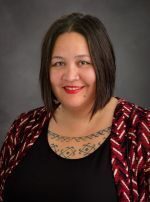
Joanna (Jo) La Torre aims to develop culturally grounded prevention strategies to improve health outcomes for Pilipinx Americans (PA). Her aim is to recover and elevate cultural knowledge that survived colonial suppression, translating these insights into frameworks for health interventions that support community healing and resilience.
By examining how long-term effects of colonization of the Philippines have contributed to the suppression of Indigenous knowledge systems related to health and wellness, Jo is addressing disparities that persist today. These disparities include elevated rates of diabetes, cardiovascular disease, depression, and suicidality. Rather than adapting existing interventions developed for other populations, Ms. La Torre’s work seeks to utilize culturally embedded knowledge systems.
Endowed Professor Tessa Evans-Campbell highlights, “Jo’s dissertation work explores intergenerational pathways and knowledges related to health, traditional foods, and medicines that support the prevention of chronic diseases including diabetes. PA health related to traditional prevention methods is critically understudied. Jo is one of the few scholars conducting research in this area.”
Jo’s dissertation advances this work through an innovative framework she developed called Halo-Halo Epistemology, which conceptualizes PA hybridity and cultural survivance. Using kwentuhan, a collaborative knowledge-making methodology rooted in Pilipinx cultural practice, she investigates intergenerational PA foodways and their connections to health, spirituality, and environmental relationships.
Preliminary findings suggest that food practices function as complex cultural systems containing important knowledge about prevention and well-being. Participants described food cultivation as both a spiritual practice and physical activity. Traditional foods such as bitter melon (paria) is one example of preventive medicine for managing blood sugar. Families also expressed deep pride in maintaining ancestral food traditions and described these practices as forms of resistance to economic, cultural, and epistemic domination.
Beyond her dissertation research, Jo is widely known for her intellectual creativity, strong writing, and collaborative leadership. She has already built an impressive record of conference presentations and publications.